
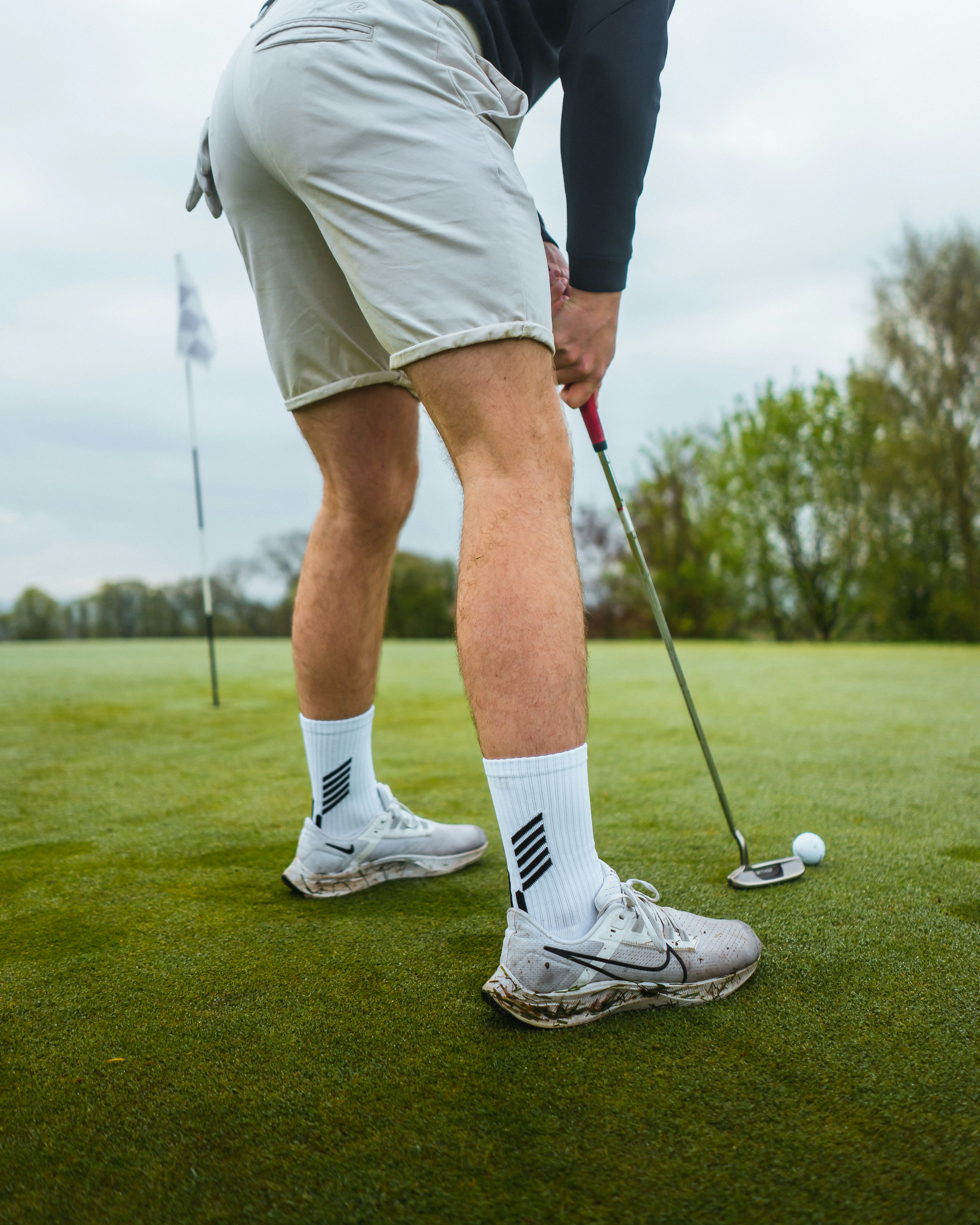
Introduction to Golf-Specific Fitness
Golf-specific fitness refers to a tailored approach to physical conditioning that is designed to enhance a golfer’s performance on the course. It encompasses a variety of exercises and training routines that focus primarily on improving aspects related to golf, including flexibility, strength, balance, and overall stamina. Understanding and implementing a golf-specific fitness regimen is essential for golfers at every skill level, from beginners to seasoned professionals.
The importance of fitness in golf cannot be overstated. Improved physical conditioning plays a pivotal role in the mechanics of a golfer’s swing, enabling better rotation and body control. As golfers develop greater muscular strength and flexibility, they tend to experience more powerful swings, allowing for enhanced distance on their shots. Furthermore, a well-rounded fitness program can significantly reduce the likelihood of injuries, which are commonplace in the sport due to the repetitive nature of swinging a club. By prioritizing golf-specific fitness, individuals can maintain their physical health while also maximizing their performance on the course.
Incorporating specific exercises that target key muscle groups used during a golf swing can lead to marked improvements in swing efficiency. With a focused fitness approach, golfers can optimize their physical abilities, making them not just better players but also more resilient against the wear and tear associated with the game. In summation, engaging in golf-specific fitness training is crucial for anyone looking to elevate their performance while minimizing injury risk, thereby allowing them to enjoy the game for years to come.
Understanding the Golf Swing and Body Rotation
The golf swing is a complex movement that requires not only skill but also a solid understanding of biomechanics. At its core, the golf swing relies heavily on body rotation, which is critical for generating both power and accuracy. When a golfer initiates their swing, the rotation of the upper body, in conjunction with the hips, serves as the engine that drives the entire motion. This dynamic interplay results in a powerful and efficient swing.
Effective body rotation allows golfers to create a larger arc in their swing, which can lead to increased distance. As the torso rotates, it stores potential energy that is released as kinetic energy through the clubhead at impact. This kinetic chain is essential for maximizing club speed while maintaining control, thereby enhancing the golfer’s overall performance.
However, many golfers experience physical limitations that hinder their ability to rotate effectively. Factors such as tightness in the shoulders, lack of hip mobility, and core strength deficiencies can all impede a golfer’s range of motion. Addressing these limitations is paramount; without proper rotation, achieving a full and fluid swing becomes increasingly difficult, which can lead to compensatory movements. These compensations often result in inconsistent ball striking, reduced distance, and a higher risk of injury.
Moreover, an understanding of these mechanics can influence how golfers approach their training regimens. By focusing on exercises that promote flexibility and strength in the key areas responsible for rotation – including the thoracic spine, hips, and core – golfers can improve their swing efficiency. Ultimately, cultivating a strong foundation of body rotation will enhance a golfer’s ability, allowing them to harness their full potential on the course.
Importance of Core Strength in Golf
Core strength plays a vital role in the performance of golfers at all levels, as it significantly influences the effectiveness of their swings. The core, comprising the muscles of the abdomen, lower back, hips, and pelvis, serves as the central support for the body. A strong core stabilizes the spine, maintaining the proper posture throughout the golf swing. This stability is crucial because any disruption can negatively affect the swing’s mechanics, leading to inconsistent shots.
During a golf swing, the core muscles engage to maintain balance and stability. When a golfer makes a rotation, especially through the backswing and follow-through phases, the core must effectively control the body’s movement. This controlled rotation is essential for generating power and maintaining accuracy. If the core is weak, it may lead to swaying or excessive lateral movement, which compromises balance and can result in dropped shots.
Moreover, improving core strength enhances overall rotational ability, allowing golfers to achieve a fuller and more effective swing. Golfers with a strong core can generate greater clubhead speed due to the efficient transfer of energy from the lower body through the core to the upper body. This efficient transfer of energy leads to increased distance while maintaining the trajectory of the shot.
In summary, the emphasis on core strength in golf training cannot be overstated. By integrating core-strengthening exercises into their routines, golfers can expect not only improved stability and balance but also enhancements in their swing mechanics. A strong core contributes significantly to a golfer’s performance, making it an essential area of focus for anyone looking to elevate their game.
Exercise 1: Medicine Ball Rotations
Medicine Ball Rotations are an effective exercise designed to enhance rotational strength and core stability, both of which are crucial for improving golf performance. This exercise targets the oblique muscles, lower back, and abdominal regions, all of which contribute to the powerful rotary motion required in a golf swing.
To perform Medicine Ball Rotations, begin by selecting an appropriate weight for the medicine ball, usually between 4 to 10 pounds, based on individual fitness levels. Stand with your feet shoulder-width apart and hold the medicine ball with both hands in front of you. Engage your core and stand tall before executing the movement.
From this starting position, rotate your torso to the right side, allowing your arms to follow the movement of your body. The rotation should be initiated from your core, not just the arms, to ensure maximum engagement of the muscles. Pause for a moment at the end of the rotation, then return to the center before rotating to the left side. Each rotation to the right and left counts as one complete repetition. For beginners, aim for 8-10 repetitions per side, while more advanced practitioners can increase to 15-20 repetitions.
Modifications for different skill levels include performing the exercise seated on a stability ball, which provides greater support and balance for those new to core exercises. Alternatively, advanced individuals can increase the medicine ball weight or enhance the challenge by performing the exercise while standing on one leg, thereby further engaging the core and improving stability.
Integrating Medicine Ball Rotations into your fitness routine can significantly enhance your core strength, enabling a more powerful and controlled golf swing.
Exercise 2: Standing Cable Woodchoppers
The Standing Cable Woodchopper is an essential exercise aimed at improving rotary strength, which is crucial for an effective golf swing. This exercise simulates the movement involved in swinging a golf club, making it a practical addition to any golf-specific fitness program. By enhancing core and shoulder stability, it allows for a more powerful and controlled swing.
To perform this exercise, begin by setting the cable machine to a high position. Stand with your feet shoulder-width apart, ensuring your knees are slightly bent for stability. Grasp the cable handle with both hands, keeping your arms extended and your grip secure. Engage your core muscles and initiate the movement by rotating your torso downwards and across your body to the opposite side, while simultaneously pulling the cable handle down and across your body. It is crucial to maintain a controlled motion and avoid using excessive weight, especially when starting out.
As you reach the bottom of the movement, pause momentarily to engage your muscles, then reverse the motion back to the starting position. Complete 10 to 15 repetitions on one side before switching to the opposite side. To maximize the benefits, incorporate this exercise into your routine two to three times a week, gradually increasing the weight as you strengthen your core and improve your rotary strength.
This exercise not only enhances your golf swing by increasing power and flexibility but also improves your overall athletic performance. It’s important to maintain proper form throughout the exercise, focusing on smooth and controlled movements. Integrating Standing Cable Woodchoppers into your training regimen can lead to noticeable improvements in your golf game.
Exercise 3: Seated Russian Twists
The Seated Russian Twists are an excellent exercise for enhancing rotational strength and improving core control, both of which are essential for golfers seeking to optimize their swing. This exercise specifically targets the oblique muscles, which play a crucial role in the rotation necessary for an effective golf swing.
To correctly perform the Seated Russian Twist, begin by sitting on the floor with your knees bent and feet flat. Lean back slightly, ensuring your back is straight, then elevate your feet a few inches off the ground. Hold a weight or a medicine ball with both hands and twist your torso to one side, bringing the weight beside your hip. Return to the center and twist to the opposite side. Ensure to engage your core throughout the movement to maintain stability and maximize muscle engagement.
A common mistake with this exercise is not fully rotating the torso, which diminishes its effectiveness. Additionally, allowing the back to round rather than maintaining a neutral spine can lead to discomfort or injury. Therefore, focus on controlled movements and proper posture to reap the full benefits of the exercise.
For those seeking variations to cater to different fitness levels, beginners can keep their feet on the floor instead of raising them, making the exercise easier to perform. More advanced practitioners may increase the challenge by using a heavier weight or performing the twists faster. Regardless of the variation, the Seated Russian Twist remains a versatile and impactful addition to any golfer’s fitness regimen, effectively enhancing the rotational strength necessary for a powerful and controlled swing.
Exercise 4: Hip Flexor and Spine Stretch
Flexibility plays a crucial role in overall athletic performance, particularly in golf, where improved rotation can lead to better swing mechanics and increased power. The Hip Flexor and Spine Stretch is an essential exercise that aims to enhance flexibility in the hip and spinal regions, directly contributing to a golfer’s ability to achieve a full and effective rotation during their swing.
To perform the Hip Flexor and Spine Stretch correctly, begin by finding a comfortable position on the ground. Start by kneeling on one knee, ensuring that your other foot is flat on the floor in front of you at a 90-degree angle. This position resembles a lunge. Next, engage your core and gently push your hips forward while keeping your back straight. You should feel a stretch in the hip flexor of the knee on the ground. Hold this position for 15-30 seconds, maintaining steady breathing.
Following this, transition into a spinal twist to further enhance flexibility. While maintaining your kneeling position, place your opposite hand on the knee of your bent leg and twist your upper body towards that side, looking over your shoulder. This motion stretches the spine and encourages rotation in the upper body. Hold this position for an additional 15-30 seconds. Repeat the stretch on the opposite side to ensure balanced flexibility.
Integrating the Hip Flexor and Spine Stretch into your warm-up routine can significantly benefit your golf performance. Incorporating this exercise before practice or rounds will prepare your body for the movements required during a swing, ultimately aiding in achieving greater rotation and efficiency in your game. Emphasizing flexibility will help reduce the risk of injury, while also enhancing overall mobility.
Plank with Rotation
The Plank with Rotation is a dynamic exercise that targets both the core and the muscles responsible for rotational movement, essential for improving one’s golf swing. This exercise engages the abdominals, obliques, and shoulders, thereby enhancing overall strength and stability which are crucial for a powerful and consistent golf game.
To perform the Plank with Rotation, begin by positioning yourself in a standard plank position. Ensure that your body forms a straight line from your head to your heels. Your wrists should be directly under your shoulders to maintain proper alignment. Engage your core to stabilize your body, preventing any sagging at the hips or arching of the back.
From this position, rotate your torso to the right, raising your right arm towards the ceiling. Your body should follow the motion, leading to a slight twist. Hold this position for a moment before returning to the starting plank position. Repeat the same rotation on the left side by raising your left arm. Aim to perform 10-12 rotations on each side, maintaining controlled movements throughout.
The benefits of the Plank with Rotation extend beyond just core stability; it significantly improves rotational flexibility. This increased flexibility is vital for golfers, as it allows for a more extensive range of motion during swings, which translates to enhanced power and accuracy. Furthermore, consistent practice of this exercise can help prevent injuries related to poor movement mechanics.
For optimal results, focus on maintaining a straight line with your body and avoid twisting your hips. If you find it challenging, consider modifying the exercise by dropping to your knees, which will reduce the load on your core. Incorporating the Plank with Rotation into your fitness routine can lead to marked improvements in both core strength and essential rotational flexibility, thereby significantly benefitting your golfing performance.
Conclusion and Tips for Integrating Exercises into Routine
In summary, golf-specific fitness plays a pivotal role in enhancing performance, particularly through improved rotational abilities. The exercises discussed throughout this guide not only target the muscles essential for a powerful swing but also promote overall body coordination and stability. By incorporating these targeted workouts into a regular training regime, golfers can experience significant gains in their on-course performance.
To effectively integrate these exercises into your routine, consistency is key. Aim to include strength and flexibility training two to three times a week, tailoring the frequency and intensity based on your current fitness level and golfing frequency. Begin with lighter weights or lower resistance bands to master the movements before progressing to more challenging variations. This gradual increase in intensity will help avoid injuries while maximizing gains over time.
Additionally, it is beneficial to set specific, measurable goals related to your fitness journey. For instance, you might aim to improve your rotational flexibility by a certain percentage in a few months or increase the number of repetitions of a particular exercise. Tracking your progress can enhance motivation and provide insights into what adjustments may be needed in your approach.
Incorporating proper warm-up and cool-down routines is equally important. These practices prepare the body for workout activities and aid in recovery afterward. Including dynamic stretches before your workouts can enhance your muscular performance and prevent injuries, while static stretches post-exercise can aid in muscle recovery.
By being methodical and intentional with exercise integration, golfers will not only improve their swing mechanics but also elevate their overall game experience. Ultimately, prioritizing golf-specific fitness can lead to enduring benefits on and off the course, resulting in a more enjoyable and enriching golfing experience.