
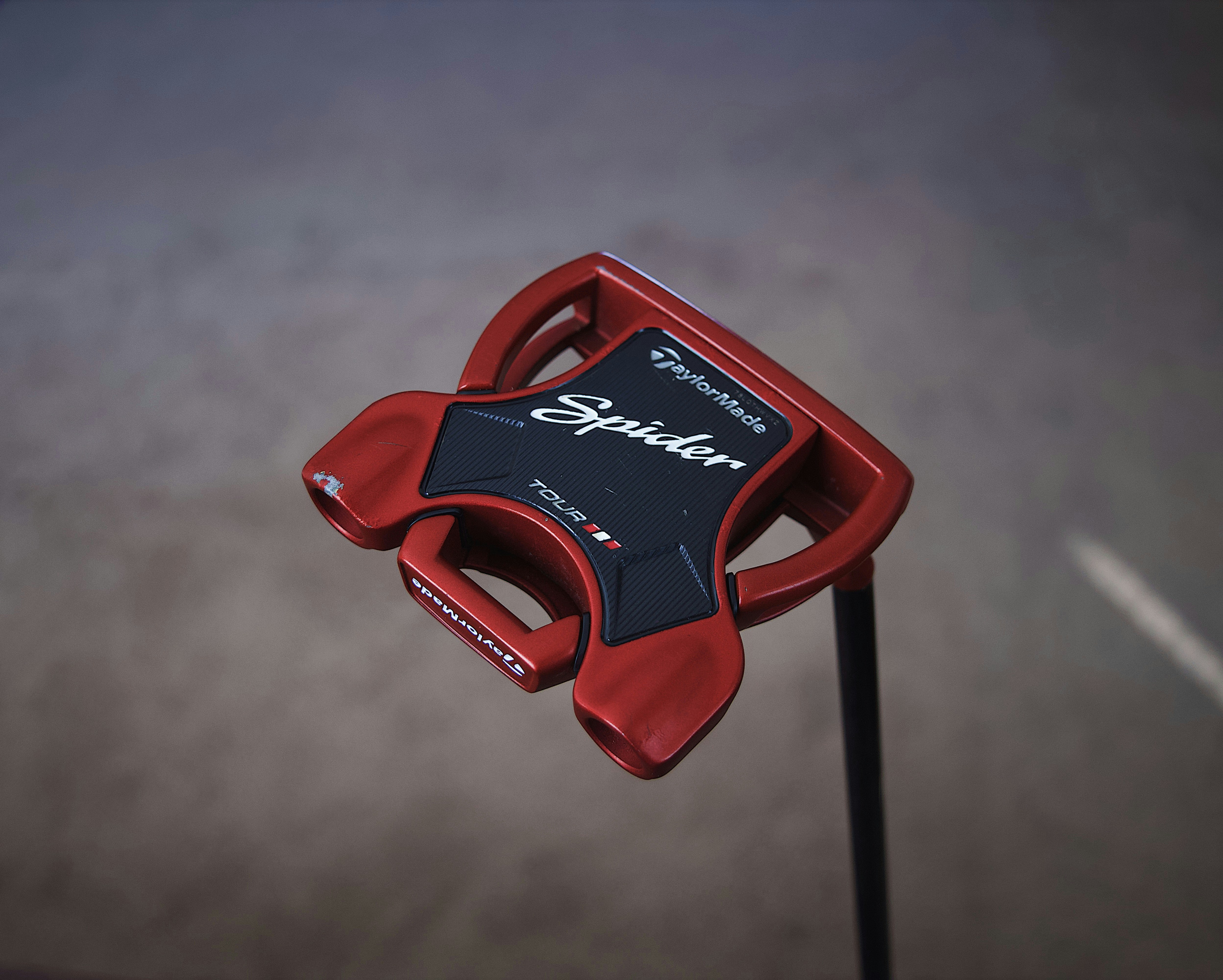
Introduction to the Blade vs. Mallet Debate
The discussion around whether blade or mallet putters reign supreme has been a prominent debate within the golfing community for decades. Traditionally, blade putters were favored for their sleek design and the perceived precision they offer. Many golf enthusiasts believe that the smaller size of blade putters allows for greater feel and control when making delicate putts. However, in recent years, there has been a noticeable shift as many professional golfers are increasingly opting for mallet putters. This transition points to a broader change in putting strategies, player preferences, and advancements in technology that redefine how the game is played.
Mallet putters, characterized by their larger heads and higher moment of inertia, provide a more forgiving experience on mis-hits. This design helps maintain the intended line and speed of the ball, ultimately leading to improved performance on the greens. Modern mallet putters often come equipped with alignment aids and various weighting options, which further enhances their usability for players of all skill levels. As golf technology continues to evolve, mallet designs are becoming increasingly popular among both amateurs and professionals alike.
This article aims to explore the reasons behind this trend, examining the key factors that influence professional golfers’ decisions to transition from traditional blade putters to modern mallets. We will delve into the advantages and disadvantages of each style, shedding light on the evolving preferences of players. By the end, we hope to provide a comprehensive understanding of the blade versus mallet debate and the implications it holds for golfers emerging in today’s competitive landscape.
Understanding Blade Putters
Blade putters, renowned for their traditional design, have been a cornerstone in the equipment choices of golfers for decades. Characterized by their compact size and flat face, these putters typically feature a simple, minimalist aesthetic that appeals to many players, particularly those who value precision and control. The design of blade putters is often complemented by a heavier head, providing the golfer with an enhanced feel during the stroke.
One of the primary advantages of blade putters lies in their ability to promote a more consistent stroke. Many players argue that the weight distribution in blade putters helps maintain a steady hand, allowing for more accurate shots, particularly on shorter putts. This consistency can be vital during crucial moments on the green, where precision is key. Additionally, blade putters offer a higher level of feedback to the golfer, as any slight mishit can be easily detected through the feel of the club.
Historically, blade putters have been the preferred choice among professional golfers. Their lightweight yet balanced design has led to significant success on the professional circuit over the years. Notable golfers, including legends like Jack Nicklaus and Tiger Woods, have famously wielded blade putters, contributing to their enduring legacy in the sport. Their popularity can be attributed not only to their performance but also to the sense of tradition they invoke, appealing to both seasoned players and novices alike.
In conclusion, while modern technology has brought forth various alternatives, blade putters remain a favored option for many due to their classic design, superior feel, and historical significance in golf. The blend of these characteristics ensures that blade putters will continue to be a relevant choice in the ever-evolving landscape of the golfing world.
The Rise of Mallet Putters
In recent years, mallet putters have emerged as a preferred choice among many professional golfers, signaling a significant shift away from the traditional blade putters that have dominated the market for decades. This trend can be attributed to several key design features unique to mallet putters, which enhance players’ performance on the greens.
One of the primary advantages of mallet putters is their superior weight distribution. Unlike blade putters, which often have a more forward weight bias, mallet putters typically feature a larger and heavier head that redistributes weight toward the back. This design not only improves stability during the stroke but also enhances forgiveness on off-center hits. As a result, golfers experience less deviation in direction and distance when their contact with the ball is less than perfect.
Moreover, mallet putters often include advanced alignment aids that allow players to better set their aim and achieve more consistent strokes. These visually distinctive features help golfers line up their putts accurately, which can be especially beneficial in the high-pressure environment of professional tournaments. The combination of a stable base and effective alignment assists players in executing putts with confidence.
The growing body of research in the field of golf equipment design reinforces the benefits of mallet putters. Studies indicate that many golfers find it easier to control their putting stroke with the added stability that mallet designs provide. This has led to an increase in adoption among both amateurs and professionals. In essence, as golfers strive for improved performance, mallet putters stand out as an increasingly viable alternative to traditional blade putters, marking a paradigm shift in the realm of putting styles.
Feedback from Modern Pros
In recent years, many professional golfers have expressed their preferences for mallet putters over traditional blade designs. This shift has prompted a lively dialogue among players, coaches, and enthusiasts about the merits of each style. A few modern pros shared their insights that reflect the evolving trends in the world of putting.
Rory McIlroy, a prominent figure on the PGA Tour, stated, “I switched to a mallet putter because I found it more forgiving on off-center hits. The larger sweet spot really boosts my confidence on the greens, allowing me to focus more on my stroke and less on precision.” McIlroy’s preference highlights a significant factor many pros consider: the increased stability and forgiveness provided by mallet putters.
Similarly, Lexi Thompson, a well-known name in women’s golf, emphasized the importance of alignment features found in mallet designs. “The visual aids in a mallet putter help me line up my shots much better, especially under pressure in crucial matches. I’ve found that they assist in my overall consistency as a player,” she noted. The characteristics of mallet putters, which often include better alignment assistance, resonate with players seeking accuracy in their game.
Moreover, Justin Thomas remarked on the emotional aspect of putting. “For me, the feel of the putter is vital. When I moved to a mallet, it felt sturdier, and I experienced better feedback. That sense of control transforms my game.” His comments suggest a trend where modern professionals are not solely focusing on technical advantages but also the subjective feel that influences their performance.
This anecdotal evidence from elite golfers demonstrates a growing trend among professionals leaning towards mallet putters. As they share their experiences and preferences, it becomes clear that the transition reflects a combination of enhanced forgiveness, improved alignment, and the overall feel that mallet putters offer in today’s competitive landscape.
Performance Comparisons: Blade vs Mallet
The debate surrounding blade and mallet putters has intensified within the golfing community, as modern professionals increasingly transition toward mallet designs. A critical analysis of performance metrics reveals significant differences between these two types of putters, particularly in areas such as stroke consistency, accuracy, and overall putting performance.
Stroke consistency is a vital factor for successful putting; it evaluates the ability of a golfer to replicate their stroke effectively. Studies indicate that mallet putters generally provide better consistency due to their larger head design and increased moment of inertia. This design is less likely to twist on impact, allowing for more controlled strokes. Conversely, while blade putters offer better feedback and sensitivity, they often require a higher skill level to maintain consistent performance.
When examining accuracy, mallet putters tend to outperform blades under various conditions. Data from recent tournaments show that players using mallet designs often achieve a higher percentage of successful putts from both short and long distances. The enhanced alignment features of many mallet putters further aid golfers in aligning their putts, thereby increasing their confidence and accuracy.
Overall putting performance is another critical indicator in this comparison. Players utilizing mallet putters have been documented to lower their strokes gained statistics compared to those using blades. This trend is evident across different golfing levels, from amateurs to seasoned professionals. As putting remains one of the most crucial aspects of golf, the increased success rates with mallet designs over blade putters cannot be overlooked.
In conclusion, an analysis of performance metrics suggests that mallet putters outstrip blades in consistency and accuracy, supporting the ongoing trend of modern pros favoring mallet designs in their putting arsenal.
Technological Advances in Putters
The evolution of golf equipment has been significantly influenced by technological advancements, particularly in putter design. Modern putters have continually undergone innovations in materials, construction methods, and integrated technology, leading to enhanced performance on the greens. One of the primary shifts has been from traditional blade putters to mallet putters, which are gaining popularity among professional golfers.
Advancements in materials have played a crucial role in the development of mallet putters. Manufacturers are now using lighter and more durable materials such as carbon fiber and aluminum, which allow for larger putter heads without sacrificing weight. This combination results in increased stability during the putting stroke, helping to improve accuracy and consistency. In contrast, traditional blade putters, made primarily from heavier metals, often struggle to provide similar levels of forgiveness, particularly on off-center hits.
Moreover, modern manufacturing techniques, including computer numerical control (CNC) machining, have allowed for greater precision in crafting putters. This level of accuracy ensures that mallet putters achieve optimal weight distribution and alignment features that enhance the player’s ability to line up putts correctly. Additionally, 3D printing technology is increasingly being utilized to create prototypes and customized putters, allowing players to experiment with various designs and find the ideal fit for their playing style.
The integration of technology such as advanced sensors and artificial intelligence in the design process further transforms modern putter development. Data collection tools analyze player performance and preferences, enabling manufacturers to create putters tailored to the specific needs of golfers. This analytical approach helps in refining existing designs and offers insights into how different configurations can enhance performance.
As a result of these technological innovations, mallet putters have gained a competitive edge. Golfers are increasingly recognizing their advantages in stability, control, and overall performance, leading to a noticeable shift in the tools professionals choose for their game.
Personal Preference and Putting Styles
When it comes to golf, the choice of a putter is often a reflection of personal preference and an individual’s unique putting style. Golfers, whether beginners or seasoned professionals, tend to gravitate towards equipment that not only feels comfortable but also instills confidence in their performance. The debate over blade versus mallet putters is significantly influenced by subjective factors, such as grip, stance, and alignment.
Players often experience different levels of comfort with varying putter head designs, which can lead to distinct styles of putting. A blade putter, known for its traditional feel and slender profile, may appeal to players who prefer a minimalistic approach, emphasizing precision and touch. On the other hand, mallet putters, characterized by their larger heads and increased stability, are appealing to golfers seeking forgiveness on off-center strikes, which can contribute to improved confidence during play.
The psychological dimension of golf also plays a crucial role in a golfer’s equipment choice. The mental aspect of putting—where every stroke can feel like a make-or-break moment—can lead players to gravitate towards the type of putter that they associate with success. Comfort in the familiarity of a particular style, whether it be a blade or a mallet, can have a profound effect on overall performance. Additionally, the feel and feedback provided by different putters can alter a player’s perception of their own skills, creating a significant impact on their game.
In essence, while technology and design trends drive changes in the golf equipment market, the individual preferences and personal putting styles of players remain paramount. These factors ultimately influence the ongoing choice between blade and mallet putters, with players seeking those options that align best with their game and psychological comfort.
The Future of the Putter: Trends and Predictions
The design of putters has evolved significantly over the years, with the industry witnessing a marked shift from traditional blade putters to more modern mallet styles. This transition is not merely a trend; it reflects changing player preferences, performance metrics, and technological advancements. As we look to the future of putters, several key trends and predictions are emerging.
Firstly, the growing popularity of mallet putters indicates a strong possibility that this trend will persist. Many professional golfers have found that the enhanced stability and forgiveness offered by these designs improve their performance on the green. As manufacturers continue to innovate, it is likely that mallet putters will become even more sophisticated, incorporating cutting-edge materials and technologies. This may include adjustable weight systems and optimized center-of-gravity placements that allow golfers to tailor the putter to their unique stroke mechanics.
Moreover, the integration of technology in putter design is expected to increase. Features such as alignment aids, high-contrast head designs, and even smart technologies that provide feedback on stroke mechanics could become standard. The movement towards digital and interactive golfing experiences may also inspire manufacturers to develop putters that facilitate data collection and analysis, helping players refine their skills through technology.
Lastly, player preferences will play a crucial role in shaping the future of putter design. As more golfers gravitate toward mallet designs, we may see a decline in the popularity of traditional blade putters. However, it is essential to recognize that individual preferences will always vary, and there will likely remain a niche market for blade putters among purists who appreciate their classic aesthetics and tactile feedback.
In conclusion, the future of putters appears to be leaning toward mallet designs paired with innovative technologies that enhance performance and personalization. As manufacturers adapt to player preferences, the landscape of putting equipment will continue to evolve, reflecting the dynamic nature of modern golf.
Conclusion: Blade or Mallet?
The debate between blade and mallet putters remains a prominent discussion among golfing enthusiasts and professionals alike. While blade putters have long been associated with a traditional approach to the game, characterized by their slender design and appeal for aesthetic precision, modern trends indicate a significant shift towards mallet putters. These putters, featuring a larger head and enhanced stability, have garnered attention due to their effectiveness in promoting better alignment and consistent stroke patterns.
Professional golfers frequently choose mallet putters, citing advantages in forgiveness and control, particularly on critical putts. The advantages of a mallet often come into play in fast-paced games where every stroke counts, leading many to embrace this evolution in design. Nevertheless, the choice between blade and mallet putters largely depends on personal preferences and individual putting styles.
Amateurs and professionals alike should carefully assess their own game and consider factors such as stroke mechanics and comfort when selecting their putter. While the current trend favors mallet putters, blade putters continue to be an option for those who appreciate their feel and precision. Engaging in a thoughtful consideration of one’s putting style, as well as testing both options, can lead to more informed decisions about enhancing performance on the green.
In summary, whether one leans towards the blade or mallet putter, the key is to choose a style that best complements individual skills and enhances overall game play. As technology progresses and preferences evolve, the ongoing dialogue between blade and mallet putters will persist, encouraging golfers to remain open-minded in their journey toward mastery on the greens.